
Assistance-Support-Advocacy-Peace of Mind
There comes a point in life when the conversation stops being about convenience and starts being about dignity. For hundreds of thousands of seniors across Ontario, and millions across Canada, that conversation is happening right now. As of July 1, 2025, Canada had 8,108,467 people aged 65 and older. In Ontario alone, the 65+ population has climbed sharply over the last decade and continues to rise. Most older adults do not want to leave the homes, memories, routines, and communities they know. In fact, national reporting has shown that 96% of Canadians aged 65 and older want to age in their own homes and communities. That is not a trend. That is a clear message.
The pressure on the system is only increasing. Statistics Canada reports that Canada’s population aged 85 and older reached more than 861,000 in 2021, up 12% from 2016, and could exceed 2.7 million by 2050. In Ontario, the 80+ population is projected to nearly double by 2040. At the same time, long-term care capacity is already strained. Ontario has over 50,000 people waiting for long-term care, just over 77,000 available spaces, and the sector says the province will need tens of thousands of additional spaces in the years ahead. So when families assume there will be a bed available “when the time comes,” that is often not the reality.
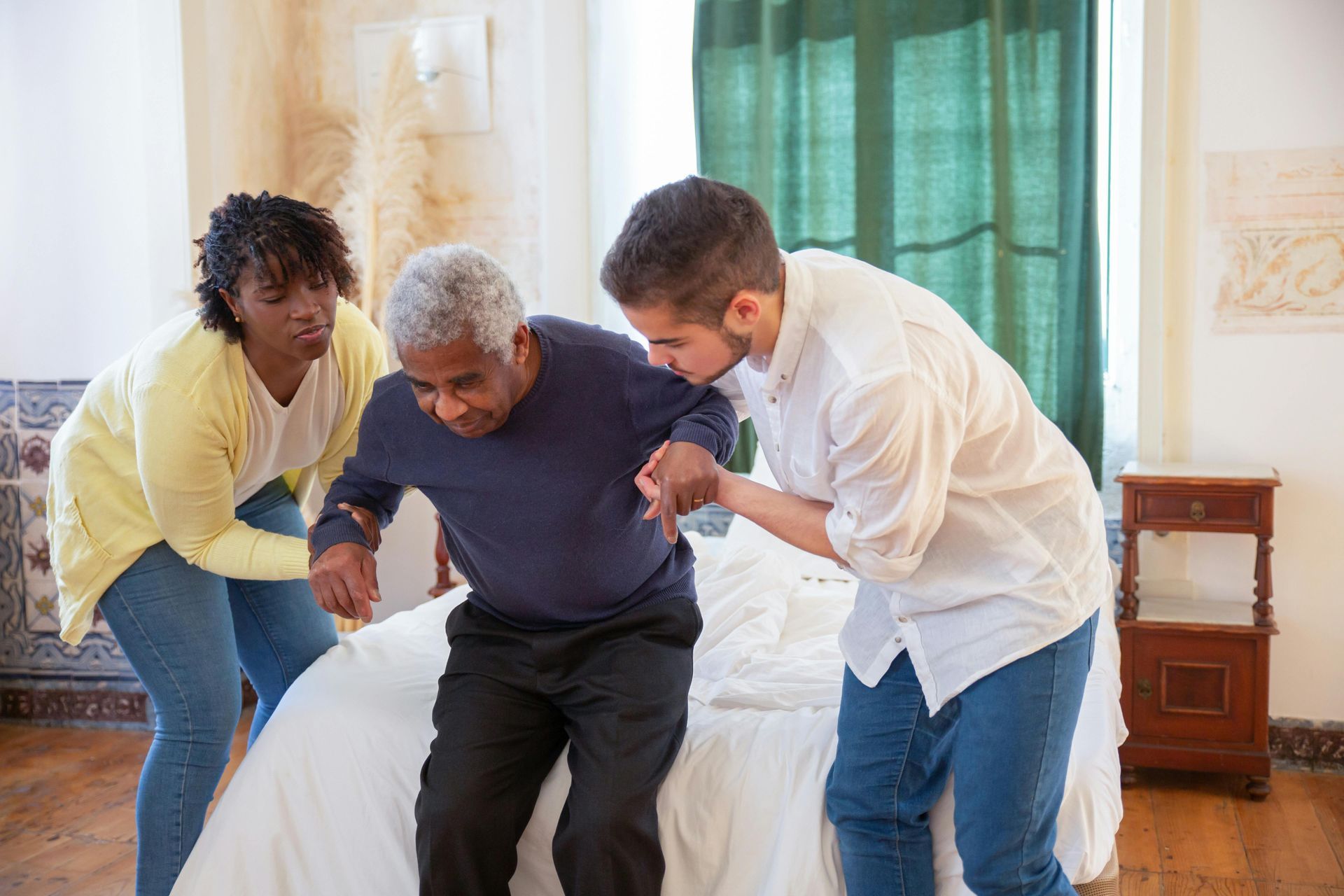
That is exactly why aging at home must be taken seriously. Seniors want to remain where they feel safe, respected, and human. They want their independence for as long as possible, but they also need proper support, real oversight, and people around them who genuinely care. This is where the Aging at Home Support and Advocacy Program (ASAP) comes in. ASAP was built on a simple belief: seniors should be able to age at home with dignity, structure, advocacy, and compassionate support. Not guesswork. Not neglect hidden behind polite conversation. Real support.
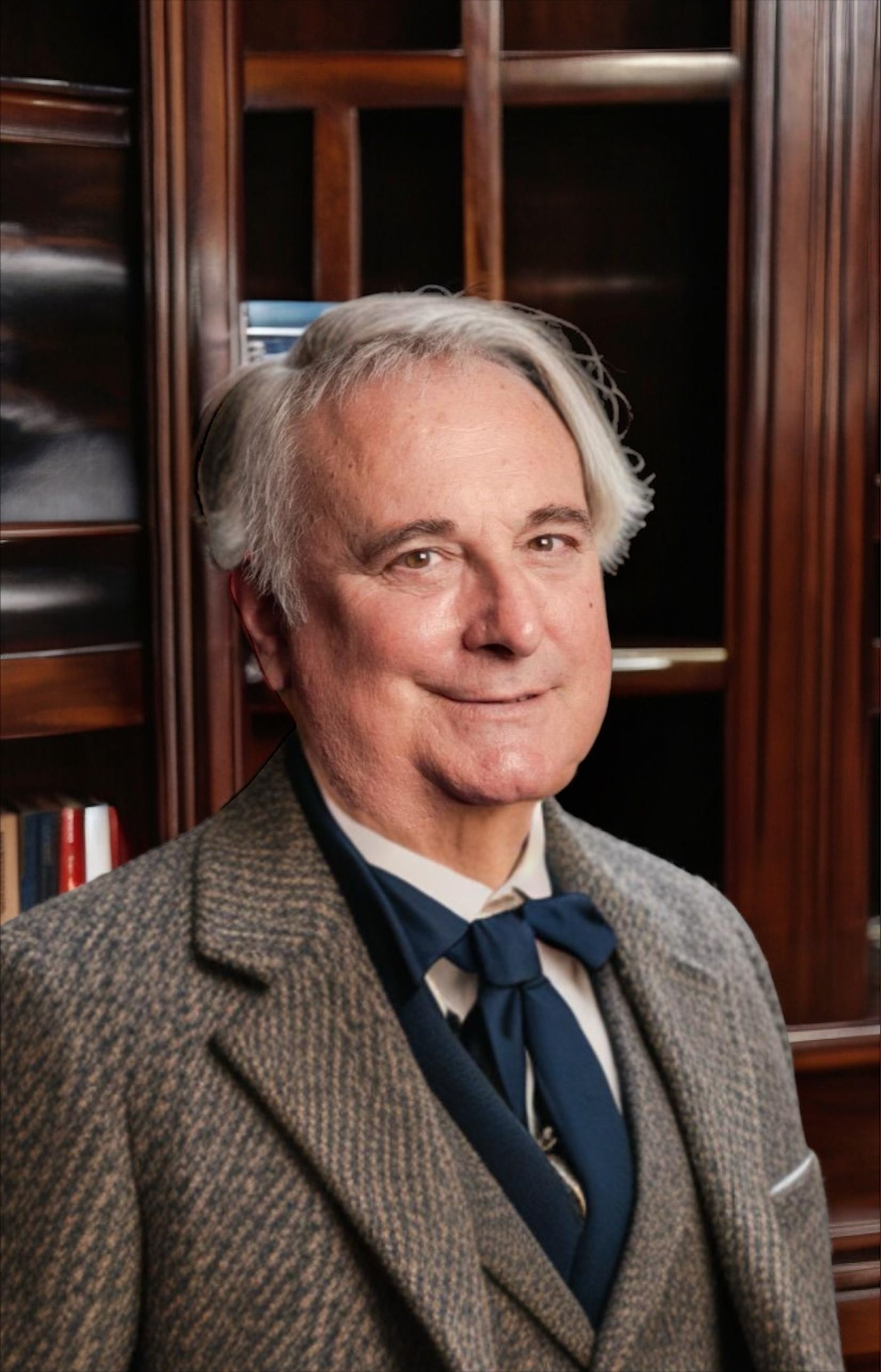
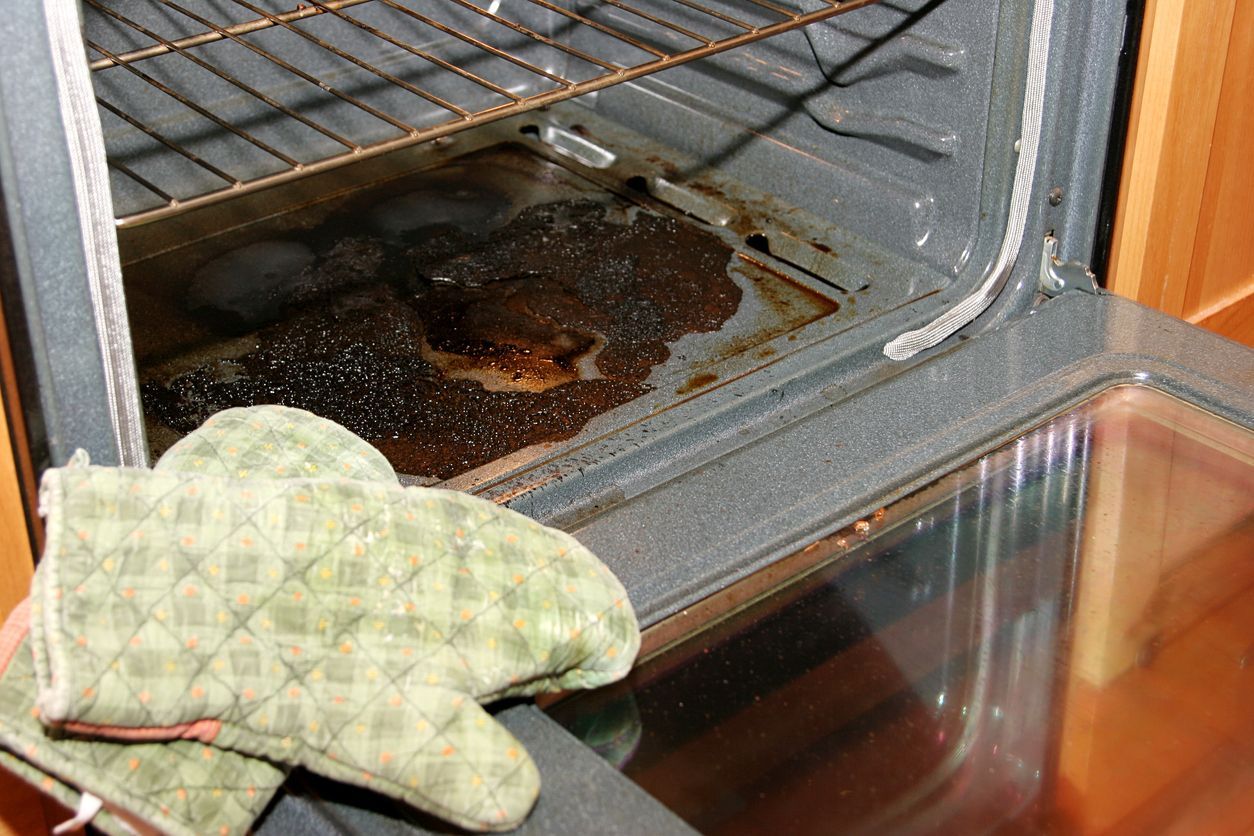
I say that not only as a business owner, but as someone who spent 35 years in law enforcement, including 20 years as a detective. That career taught me to pay attention to what is said, what is not said, and what the evidence shows when no one thinks anyone is looking. After policing, I built Casa Pulita Cleaning & Concierge, and through that work I have entered many homes where seniors were supposed to be receiving proper care and support. What I have seen has been heartbreaking at times. Homes left in conditions that tell a different story than the one written on paper. Seniors who are kind, grateful, and quick to say nice things about the people coming in to help them, even when their actual needs are not being met.
That is one of the hardest truths families need to understand. Many seniors will not complain. They do not want to be a burden. They may genuinely like the worker coming into the home. A PSW can be pleasant, warm, and conversational, and still fail to complete what was required. That is why families cannot rely only on verbal reassurance. If your loved one is receiving support through an agency or through Ontario Health atHome, please monitor it closely. Ask questions. Visit unexpectedly. Look around the home. Check whether tasks were actually completed. Sit outside if you have to and see how long workers are staying. Pay attention to patterns. That is how deficiencies are discovered.
Ontario’s home and community care system is serving an enormous number of people. Public reporting shows the province supports nearly 700,000 families annually through home care, and Ontario Health atHome reported support for roughly 670,000 patients across the province. The government has also announced major investments, including $1 billion over three years for home care and $100 million over three years for community services, while broader public discussion often references home and community care spending in the multi-billion-dollar range. Even with that, the demand is overwhelming. When the client volume is this high, families should not assume oversight is automatic or sufficient.
This is not written to attack every PSW or every provider. There are many good people doing difficult work under pressure. But good people inside a strained system do not erase the need for accountability. If you have a parent, grandparent, aunt, uncle, or vulnerable senior at home, stay involved. Ask them specific questions, not just “How are things going?” Ask: Did they help you bathe? Did they change the bedding? Did they prepare food? Did they stay the full time? Did they rush? Did they seem distracted? Did they do what they were supposed to do today?
Our seniors built this country. They raised families, paid taxes, served communities, fought wars, worked long careers, volunteered, mentored, and sacrificed. They should not be forgotten now. They should not be left to navigate aging alone, or worse, appear cared for while quietly going without what they truly need. Aging at home can be a beautiful option, but only when families stay engaged and the right advocacy is in place.
That is the heart behind ASAP. It is about protecting dignity, preserving independence, and making sure seniors are not just visited, but truly supported. If we are going to call ourselves a caring society, then we need to prove it in the homes of the people who once cared for all of us.
Joe Romualdi • 16 March 2026
Casa Pulita Cleaning/Concierge and Catering